
Interior Design Tips for Small Spaces
Start with Decluttering
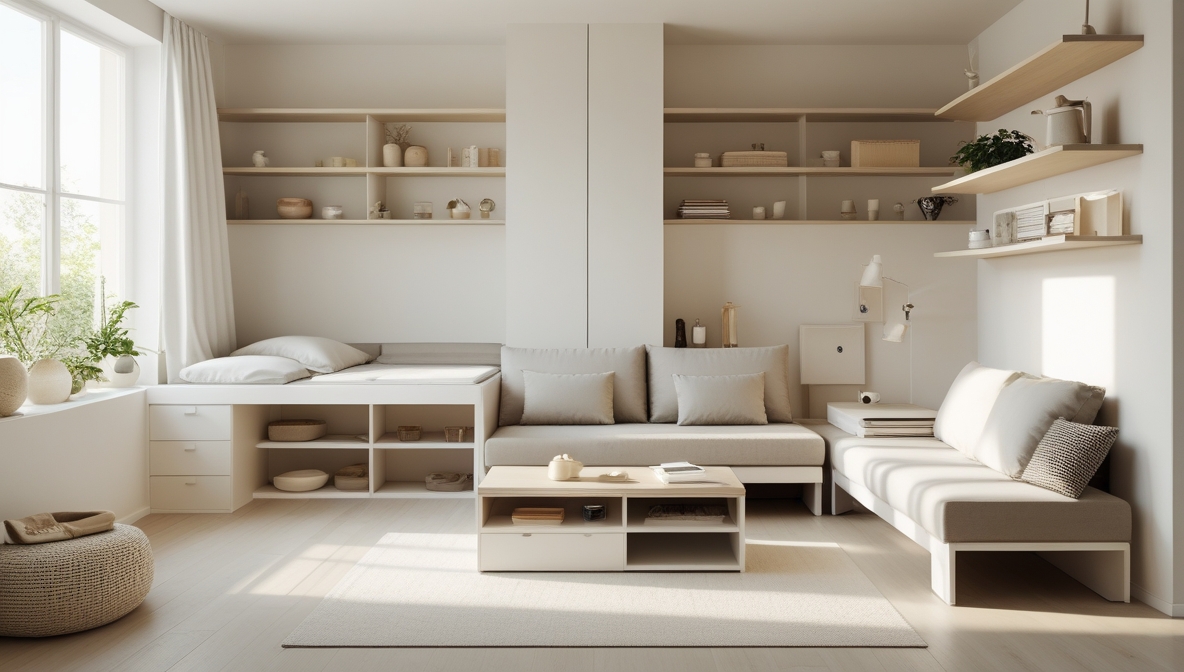
The foundation of minimalism is decluttering. In small spaces, every item you keep should have a purpose or bring you joy. Begin by assessing your belongings and parting with items you no longer use or need.
Tips for decluttering:
- Use the "one in, one out" rule to maintain balance.
- Divide your items into categories: keep, donate, or discard.
- Consider multifunctional items to reduce the number of things you need.
Embrace a Neutral Color Palette
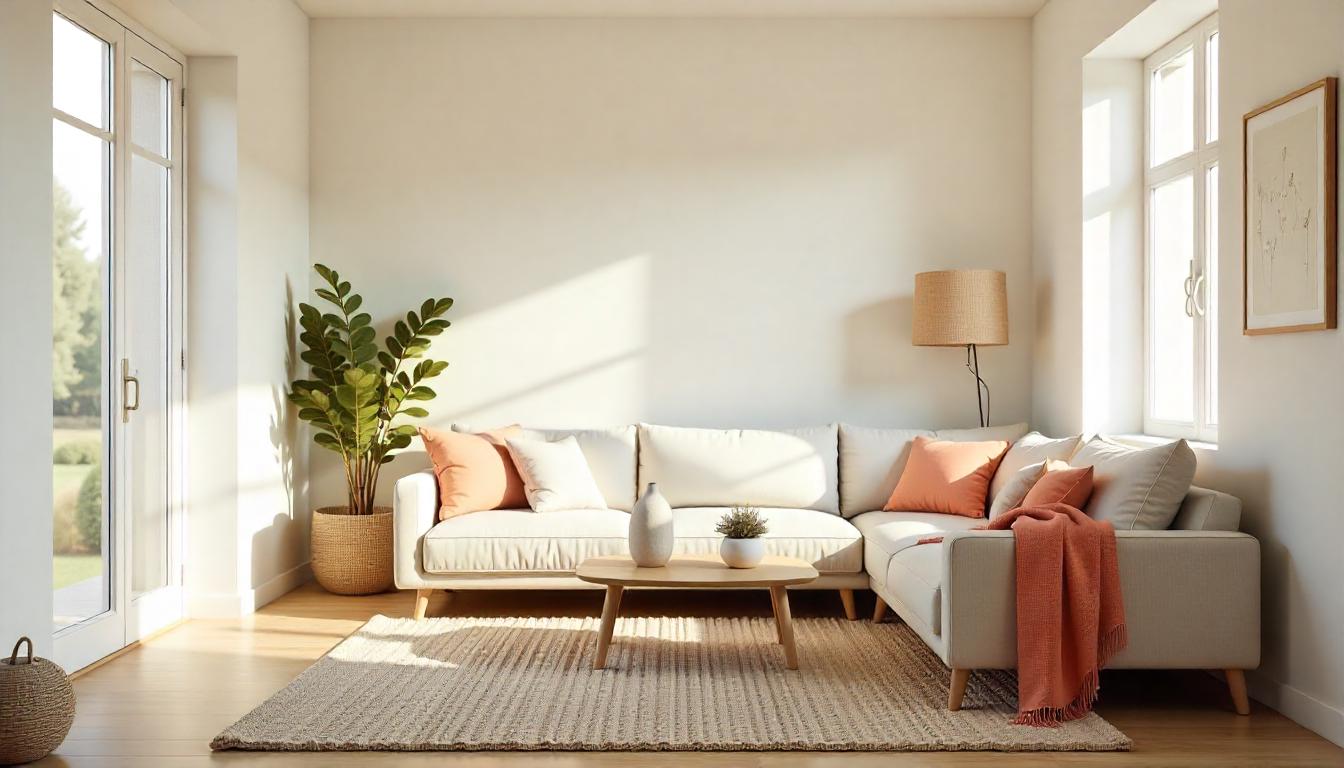
Neutral colors like white, beige, gray, and soft pastels are hallmarks of minimalist design. These hues make small spaces feel larger and more serene. To avoid monotony, layer different shades of the same color or add subtle texture.
How to use neutrals effectively:
- Paint walls and ceilings in light colors to reflect natural light.
- Use furniture and decor in complementary tones for a cohesive look.
- Incorporate textures like woven fabrics, wood, or stone for added depth.
Invest in Multifunctional Furniture
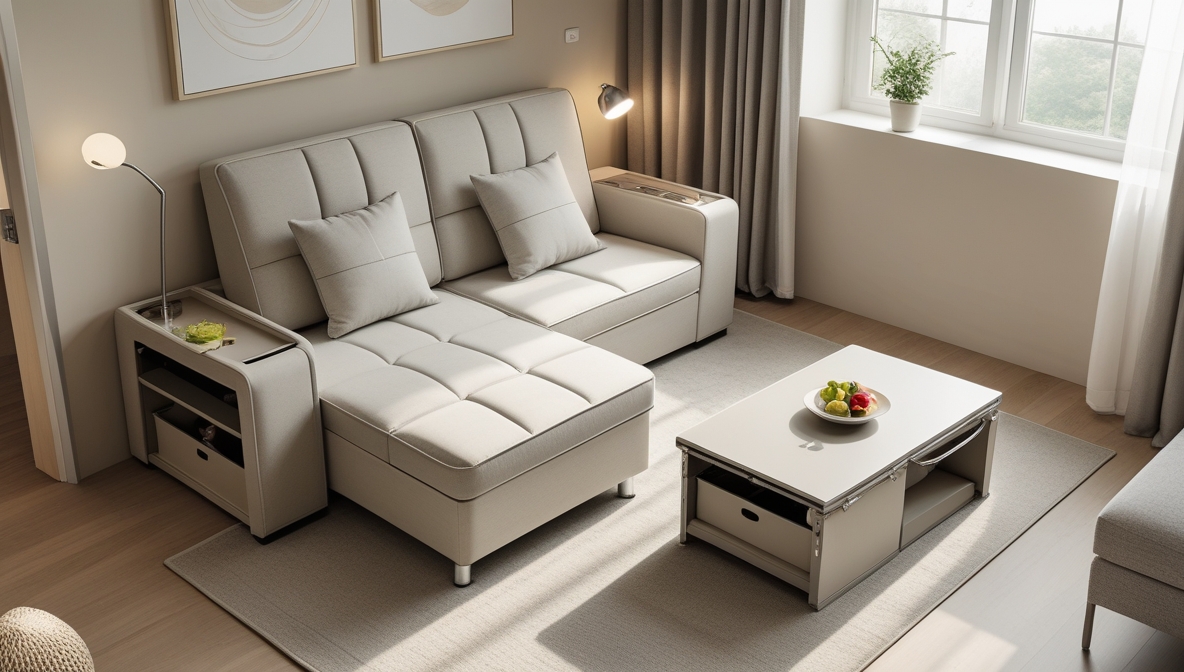
In small spaces, every piece of furniture should work hard for you. Look for multifunctional designs that serve more than one purpose.
Examples of multifunctional furniture:
- A sofa bed that doubles as a guest bed.
- Coffee tables with hidden storage compartments.
- Foldable or extendable dining tables.
Maximize Vertical Space
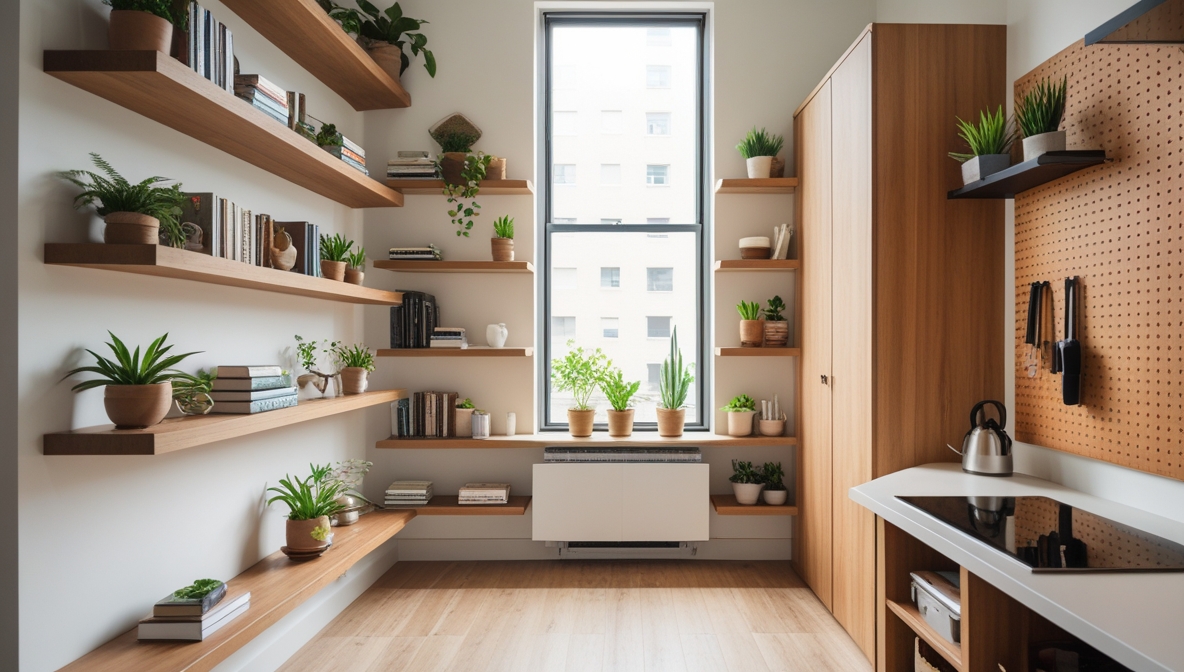
When floor space is limited, think vertically. Utilizing walls for storage and decor helps free up valuable square footage.
Ways to maximize vertical space:
- Install floating shelves or wall-mounted cabinets.
- Use tall bookcases or storage units that reach the ceiling.
- Hang hooks or pegboards for items like kitchen tools or accessories.
Opt for Clean Lines and Simple Forms
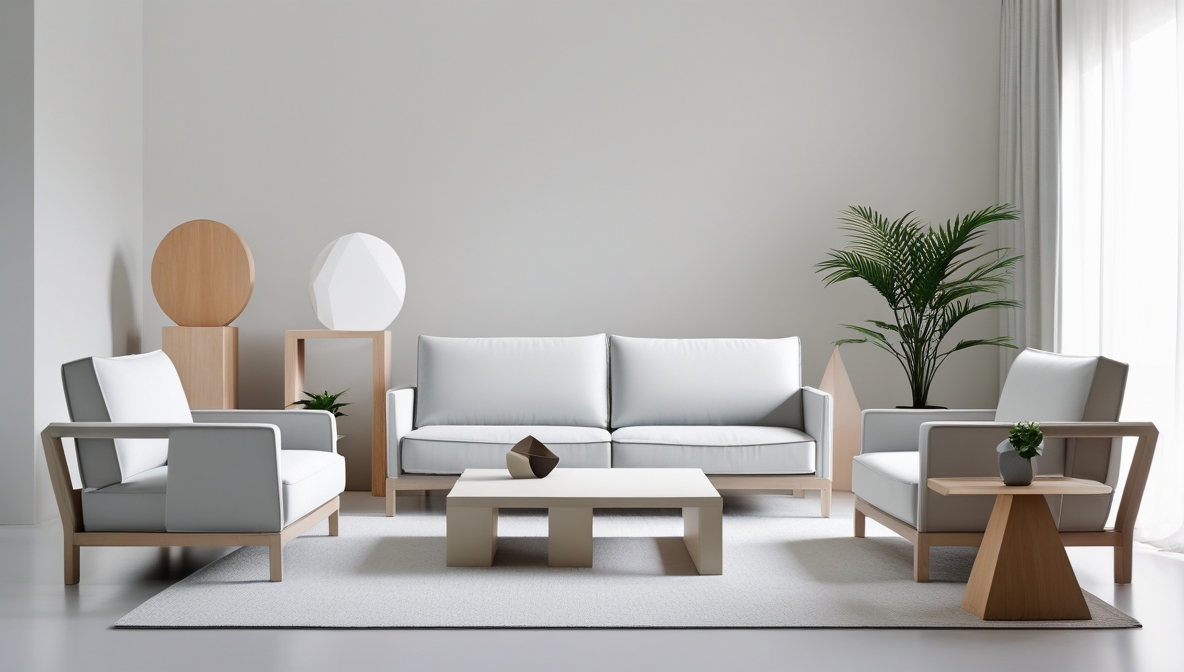
Minimalist furniture and decor typically feature clean lines and simple shapes. Avoid ornate or overly detailed pieces that can make a small space feel crowded.
Choosing minimalist designs:
- .Select furniture with sleek, modern silhouettes.
- Use decor with geometric shapes or natural forms.
- Prioritize functionality over embellishment.
Let Natural Light In
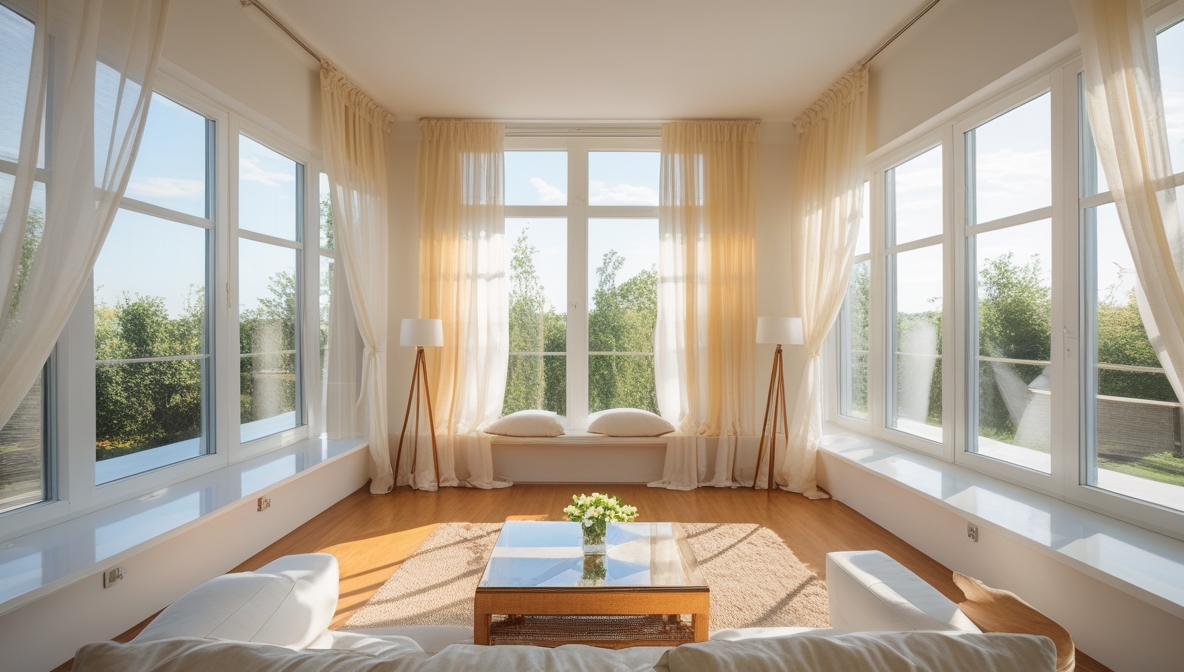
Natural light is a small space’s best friend. It creates a sense of openness and makes the area feel more inviting. Avoid heavy window treatments that block light.
Tips for enhancing natural light:
- Use sheer curtains or blinds that let light filter through.
- Position mirrors strategically to reflect and amplify light.
- Keep windowsills free of clutter.
Create Zones with Rugs and Furniture
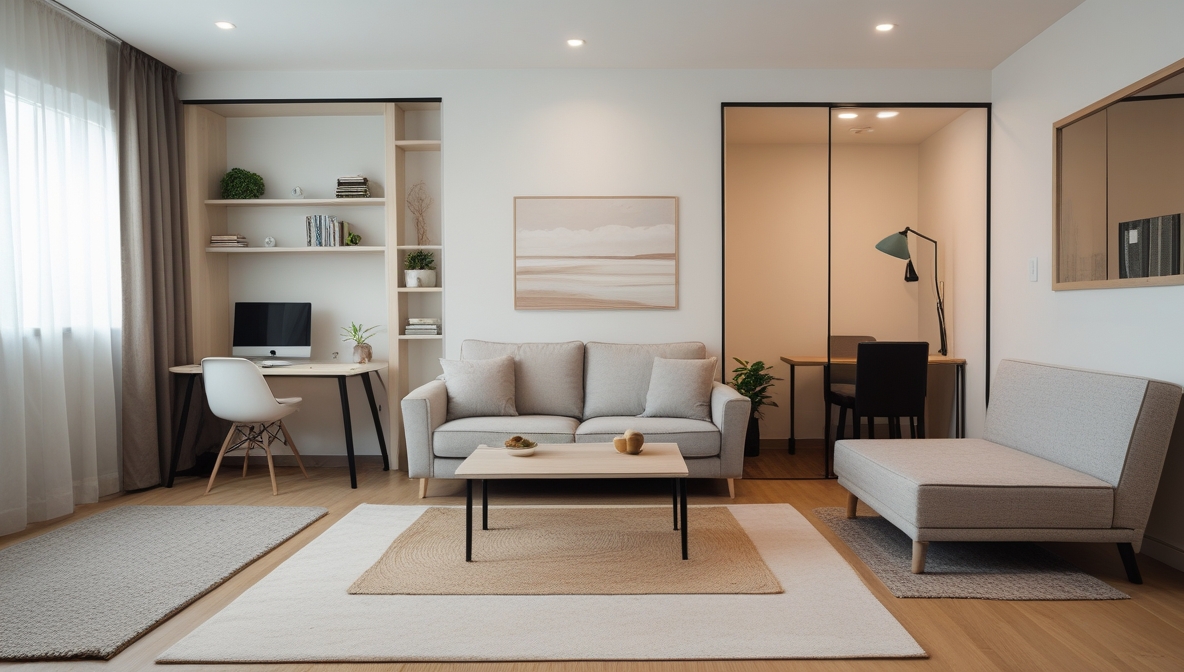
Even in a small space, creating distinct zones for different activities can add structure and organization. Use rugs, lighting, or furniture placement to define areas for sleeping, dining, or working.
How to create zones:
- Place a rug under your dining table to separate it from the living area.
- Use a bookshelf or screen as a divider between your bed and workspace.
- Arrange furniture to create natural boundaries.
Use Mirrors to Expand Space
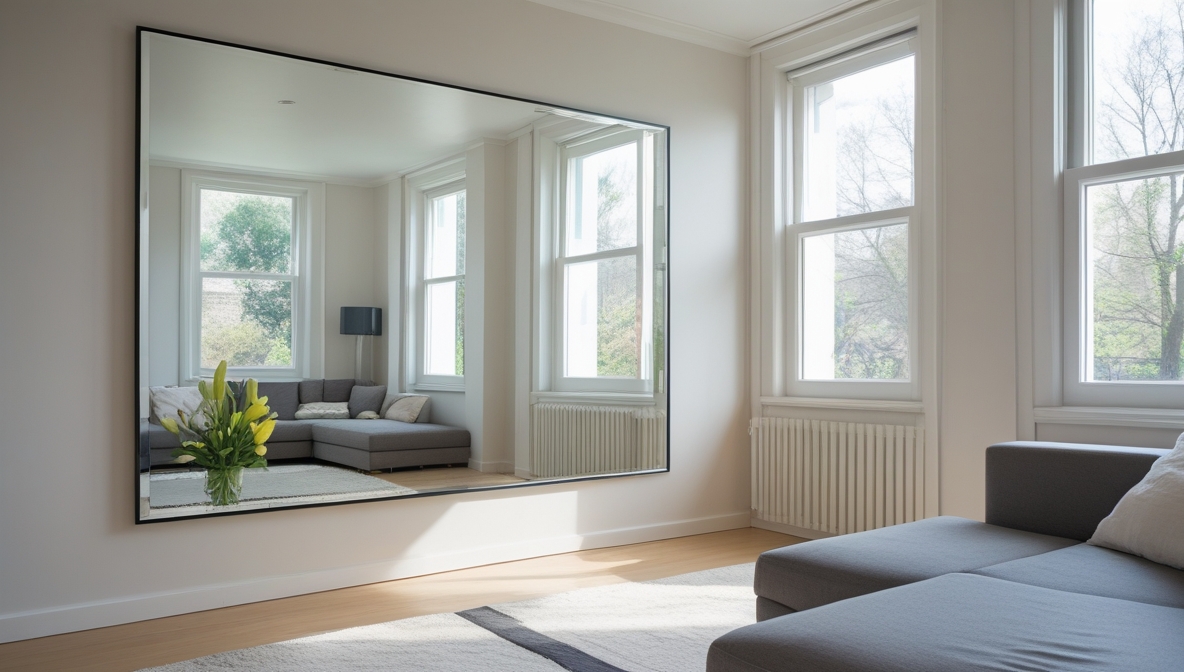
Mirrors are a classic trick for making small spaces feel larger. They reflect light and create the illusion of depth.
Tips for using mirrors:
- Hang a large mirror on a focal wall to make the room appear bigger.
- Place mirrors near windows to reflect natural light.
- Choose mirrors with simple frames that align with your minimalist aesthetic.
Keep Decor Minimal and Meaningful
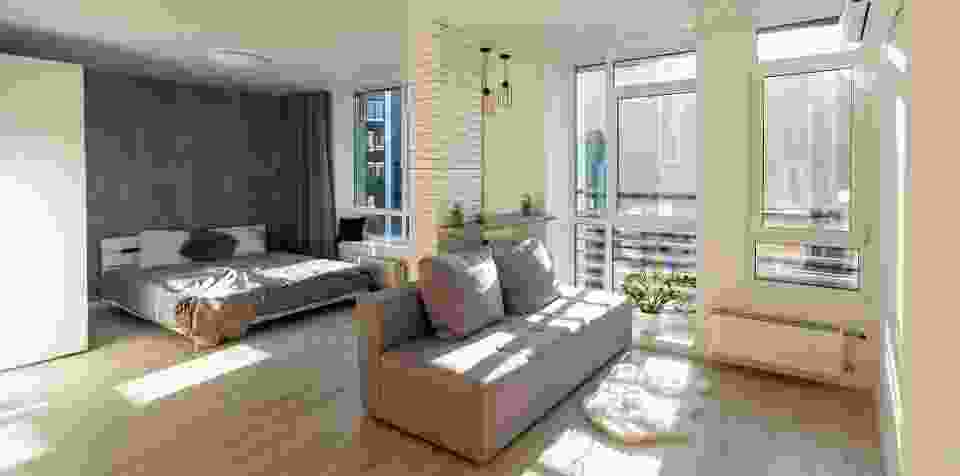
In minimalism, less is more. Select decor pieces thoughtfully and avoid over-accessorizing. Each item should contribute to the overall aesthetic and function of the space.
Ideas for minimalist decor:
- Display a few pieces of art or photography on the walls.
- Use plants to bring life and freshness to the room.
- Choose functional decor, such as a stylish clock or a sculptural lamp.
Incorporate Smart Storage Solutions
Efficient storage is essential in small spaces. Look for innovative storage solutions that keep your belongings organized and out of sight.
Storage ideas:
- Use under-bed storage boxes for seasonal items.
- Install pull-out drawers in cabinets for easier access.
- Choose furniture with built-in storage, like ottomans or benches.
Maintain a Sense of Balance
A well-balanced design ensures that your space feels harmonious and comfortable. Avoid overcrowding one side of the room or overloading with too many design elements.
How to achieve balance:
- Distribute furniture and decor evenly throughout the space.
- Mix heavy and light elements, such as a sturdy sofa with a delicate side table.
- Leave negative space to allow the room to "breathe."
Adopt a Capsule Home Concept
Inspired by the capsule wardrobe, the capsule home concept involves curating a small collection of high-quality, versatile items for your space. This approach is perfect for minimalists and small-space dwellers.
How to create a capsule home:
- Focus on timeless furniture and decor that suits multiple styles.
- Avoid trendy items that may quickly feel outdated.
- Prioritize quality over quantity in all your purchases
Add Greenery
Plants are a minimalist’s secret weapon. They’re versatile, beautiful, and bring a touch of nature indoors. Even small spaces can benefit from greenery.
Best plants for small spaces:
- Succulents and cacti for tabletops or shelves.
- Hanging plants like pothos or spider plants.
- Compact options like bonsai trees or small ferns.
Personalize with Intentional Choices
Minimalism doesn’t mean your space has to be impersonal. Incorporate elements that reflect your personality and values without overwhelming the design.
Ways to personalize your minimalist space:
- Display a favorite piece of art or a cherished family photo.
- Use handmade or artisanal items for a unique touch.
- Choose a signature scent with candles or diffusers to enhance the ambiance.